


 Service Now – Pay Later
Heavy-Duty Commercial Fleet Solutions for Concrete Contractors at Performance Ford Truck Country
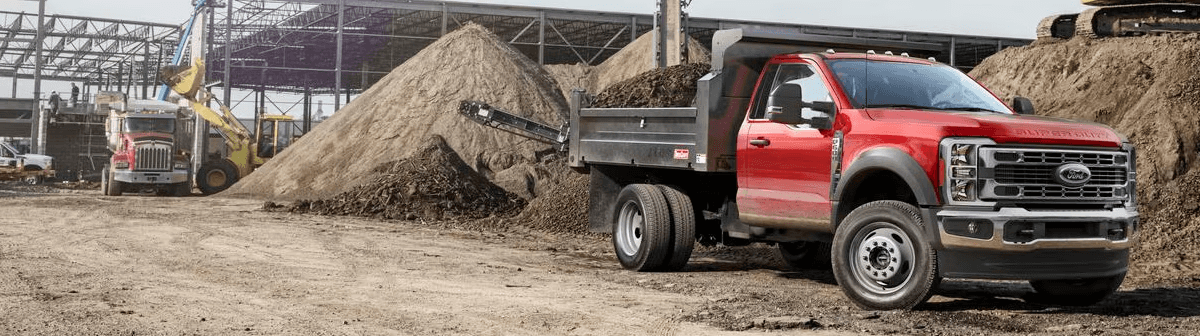
Heavy-Duty Commercial Fleet Solutions for Concrete Contractors at Performance Ford Truck Country
The concrete and masonry phase is where every lasting structure truly begins. Because concrete crews are responsible for pouring the structural footings, foundations, and slab-on-grade elements, their execution sets the geometric accuracy for every trade that follows. Managing a successful concrete operation requires a meticulous balance of chemistry, timing, and unyielding physical labor. To maintain this tight operational schedule, contractors need a commercial vehicle fleet capable of handling dense, brutal payloads while serving as a mobile staging area on unpaved, mud-slicked job sites.
At Performance Ford Truck Country, we specialize in configuring severe-duty commercial fleets engineered specifically for the punishing demands of the concrete industry. From transporting heavy formwork and rebar bundles to carrying industrial power trowels, selecting the precise vehicle chassis directly influences your daily output and operational overhead. This guide breaks down the premier chassis configurations, heavy-duty powertrains, and specialized upfit options required to keep local concrete crews operating at peak performance.
High-Torque Powertrains Built for Severe Payloads
The primary obstacle when engineering a fleet vehicle for concrete contractors is mass. Concrete tools, steel reinforcement grids, chemical curing agents, and formwork components are exceptionally dense and heavy. A vehicle operating in this sector requires an overbuilt engine and transmission combination that can handle maximum gross vehicle weight ratings (GVWR) without experiencing premature mechanical fatigue.
High-Output Displacement Gasoline Engines
For concrete operations that primarily handle residential flatwork, driveways, or municipal curb-and-gutter projects within a local radius, modern high-displacement gasoline V8 engines present an exceptionally cost-effective solution. Utilizing a robust cast-iron block design, these engines are optimized to deliver immense low-end torque. This torque curve is vital for pulling heavily laden utility beds out of soft, muddy staging areas before the access roads are paved. Choosing a gasoline powertrain lowers the initial capital expenditure per vehicle, allowing fleet managers to allocate more financial resources toward specialized heavy-duty upfits or automated material handling equipment.
Severe-Duty Turbo Diesel Engineering
When your concrete construction business scales up to handle large commercial industrial slabs, multi-story structural pours, or projects requiring the continuous transport of heavy machinery, a turbo diesel powertrain becomes an invaluable asset. Modern turbo diesel engines are built with forged steel connecting rods and high-pressure fuel injection systems to deliver massive torque output at exceptionally low engine speeds. This massive pulling force allows a chassis cab to effortlessly tow a dual-tandem axle trailer loaded with skid steers, trenchers, or heavy material forms. Furthermore, integrated diesel engine exhaust braking restricts the flow of exhaust gases to generate backpressure, reducing mechanical brake wear and enhancing safety when descending grades with a fully loaded combination rig.
The Super Duty Chassis Lineup: Engineering a Solid Foundation
Navigating an active job site before the concrete is placed means traveling over deep ruts, exposed aggregates, and steep, uncompacted entry ramps. To endure this punishing environment day after day, concrete sub-contractors require a dedicated commercial chassis engineered with thick, high-strength steel frame rails.
Standard Commercial Configurations Built to Work
- XL Commercial Trim: The absolute cornerstone of many concrete fleets, the XL trim is intentionally stripped of unnecessary delicate elements to maximize durability on rough jobsites. The interior features heavy-duty vinyl upholstery that resists punctures and tearing from sharp tools or tool belts, alongside a rugged vinyl floor covering that can be swept or washed clean of dried cement dust at the end of a shift. The exterior utilizes matte-black front bumpers and matching grille surrounds, which hide the inevitable scuffs, dings, and scrapes that occur in active staging zones. Standard factory-installed upfitter switches are integrated seamlessly into the overhead console, allowing operators to connect auxiliary lighting or power equipment without splicing into the primary wiring harness.
- XLT Fleet Upgrade: For field superintendents, estimators, or project leads who balance field execution with administrative client meetings, the XLT series offers a strategic middle ground. This configuration introduces durable cloth seating surfaces, full interior carpeting, and bright chrome exterior accents that project a highly polished, professional brand image when negotiating with general contractors. The technology layout is enhanced with an upgraded center display and advanced voice-activated navigation, allowing your field leads to efficiently route between multiple active job sites throughout the day.
Cabin Layouts Formed around Your Crew Size
Matching the cabin configuration to your specific business model ensures you maximize material storage without leaving essential crew members behind.
- Regular Cab: Featuring a streamlined two-door profile, this layout maximizes the available cab-to-axle (CA) length on the frame. It is the premier choice for mounting massive dump bodies or extra-long flatbeds dedicated to transporting structural forms and rebar grids.
- SuperCab: Utilizing rear-hinged doors, this configuration provides a secure, weatherproof interior cargo space directly behind the front seats, perfect for storing sensitive electronic laser levels, finishing tools, and expensive testing equipment away from the elements.
- Crew Cab: The definitive choice for turnkey placement and finishing crews, the four-door Crew Cab accommodates up to six full-sized adults in complete comfort, allowing an entire placement crew and their personal safety gear to travel to the job site in a single fuel-efficient vehicle.
Frequently Asked Question
Which Ford commercial trucks are best suited for concrete contractors?
The concrete and masonry phase is where every lasting structure truly begins. Because concrete crews are responsible for pouring the structural footings, foundations, and slab-on-grade elements, their execution sets the geometric accuracy for every trade that follows.
Specialized Upfits Engineered for Concrete Operations
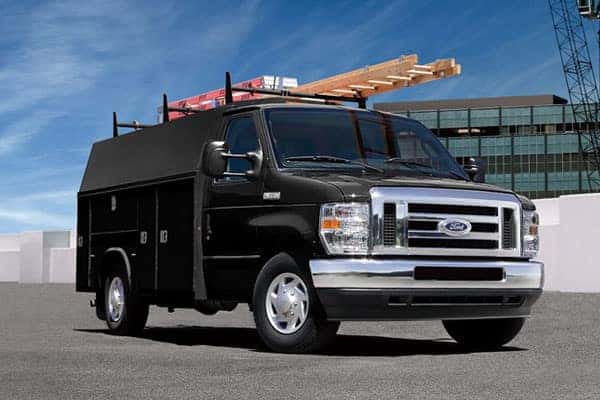
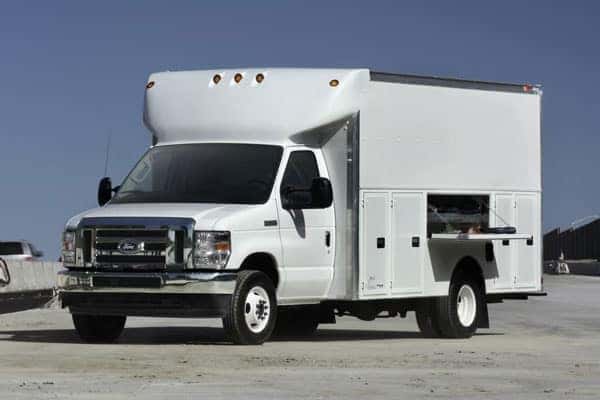
A standard pickup bed is highly versatile, but concrete sub-contractors frequently face material handling challenges that demand specialized commercial bodies. Utilizing a dedicated cab-chassis platform allows your company to build a highly customized rear layout tailored specifically to your daily operational workflows.
Heavy-Duty Dump Bodies for Aggregate and Formwork
A robust steel or aluminum dump body upfit is one of the most valuable assets a concrete crew can deploy. Transporting wood or modular steel concrete forms requires an immense amount of physical space, and unloading them manually at the end of a exhausting pour can drain crew productivity. A heavy-duty dump body allows a crew to transport formwork, stakes, or bulk aggregates directly to the placement site and unload the equipment rapidly via a powerful hydraulic hoist system. Many contractors configure their dump bodies with a multi-directional tailgate and heavy-duty toolboxes mounted beneath the frame rails, providing a dual-purpose vehicle that handles both bulk hauling and tool security.
Open Flatbed and Platform Upfits for Forklift Access
For commercial concrete businesses focused on large-scale industrial floor slabs or structural reinforcement, a wide-open flatbed body provides unmatched logistics flexibility. Standard truck beds restrict material loading to the rear tailgate, whereas an open flatbed allows industrial forklifts at the supply yard to load complete, banded bundles of steel rebar, welded wire mesh, and expansion joint materials directly onto the deck from either side of the vehicle. Integrated tie-down tracks, heavy-duty bulkhead headache racks, and removable stake sides ensure that shifting or irregular loads can be lashed down securely using heavy-duty ratchet straps within minutes.
Advanced Commercial Technology and Towing Systems
Modern concrete construction relies heavily on precise scheduling, clear material logistics, and the continuous transportation of heavy concrete mixing and finishing equipment. Integrating advanced commercial fleet technology directly mitigates operational downtime while enhancing safety in cluttered workspaces.
Vehicle Integration System 2.0 and Fleet Telematics
Managing a diverse fleet of work trucks requires comprehensive operational data. The available Vehicle Integration System 2.0 provides a single-entry hardware interface that connects aftermarket upfits directly to the vehicle’s digital architecture. This allows drivers to control peripheral upfit equipment—such as auxiliary hydraulic pumps, material spreaders, or exterior safety strobe arrays—directly through the main center touchscreen inside the cab. Concurrently, advanced fleet telematics give business owners real-time visibility into vehicle locations, fuel usage trends, and engine health metrics, enabling proactive preventative maintenance before a minor mechanical issue sidelining a truck on the morning of a critical pour.
Severe-Duty Towing Innovations
Concrete contractors frequently tow heavy equipment trailers loaded with skid steers, mini-excavators, or portable volumetric mixing systems. To make these high-weight hauling operations simple and safe, modern commercial vehicles feature integrated trailer brake controllers that synchronize the truck’s braking force with the trailer’s systems. Available advanced backing assistance programs allow operators to steer a heavy trailer into narrow, crowded residential or commercial job sites using a simple control dial on the dashboard. Furthermore, high-definition camera arrays provide a clear, real-time look around the entire perimeter of the chassis, allowing a single operator to align a heavy hitch perfectly without requiring an external spotter.
Maximizing the Fleet Asset Investment
Acquiring or modernizing a commercial vehicle fleet represents a significant capital layout for any construction firm. Optimizing the return on this financial investment requires leveraging specialized commercial credit programs and tax incentives tailored specifically for active businesses.
Commercial Lines of Credit and Fleet Leasing
Commercial vehicle financing differs fundamentally from standard consumer automotive loans. Establishing a dedicated commercial line of credit allows concrete companies to preserve their liquid operational cash flow for payroll and raw material expenses while acquiring the exact vehicle configurations required to secure larger commercial contracts. TRAC (Terminal Rental Adjustment Clause) leases offer incredible financial flexibility, enabling fleet managers to customize the structure based on annual mileage expectations, specific upfit types, and projected residual values. This ensures that monthly fleet operating costs remain completely predictable and manageable throughout the fiscal year.
Section 179 Tax Allowances for Heavy Vehicles
One of the most potent financial advantages available to independent concrete contractors is the Section 179 tax deduction. Under this IRS tax code, qualifying businesses can deduct the full purchase price of eligible commercial vehicles directly from their gross business income during the specific tax year the vehicle is placed into service. Because heavy-duty commercial chassis cabs feature a gross vehicle weight rating (GVWR) that easily exceeds the 6,000-pound threshold, they typically qualify for highly accelerated depreciation schedules. This immediate tax relief allows masonry and concrete firms to keep capital inside the business, driving further investment in advanced tooling, materials, or personnel.
Why Source from Performance Ford Truck Country?
Securing the ideal commercial fleet vehicle requires a dedicated partnership with a dealership that fully understands the fast-paced, high-stakes nature of the construction sector. At Performance Ford Truck Country, we focus on providing the vehicles and support systems necessary to keep your placement and finishing crews moving forward without administrative or mechanical delays.
Expert Commercial Fleet Consultants
Our specialized commercial fleet team does not just sell vehicles; they analyze your specific business demands to recommend the exact chassis capacity, axle ratios, and upfit configurations required for your daily operations. We collaborate directly with premier commercial body manufacturers to ensure your dump bodies, flatbeds, and under-bed storage units are engineered to professional standards and delivered ready to work immediately. We recognize that a commercial truck sitting idle on a dealership lot represents lost revenue for an active concrete business.
Priority Commercial Service Commitments
We know that a work truck sidelined in a service bay can disrupt an entire project timeline. Our advanced commercial service center is outfitted with heavy-duty lifts, specialized heavy-duty diagnostic gear, and factory-trained commercial technicians capable of servicing large-chassis fleet vehicles rapidly. We provide priority commercial scheduling and accelerated diagnostic turnarounds for our fleet accounts, ensuring that your commercial trucks spend their time where they are most profitable—on the job site executing projects for your clients.
Strategic Pre-Owned Fleet Inspection Guide
For concrete sub-contractors looking to expand their total vehicle count while controlling initial capital investments, the pre-owned commercial market represents an exceptionally practical route. However, purchasing a used commercial truck for severe-duty applications requires a highly focused mechanical inspection process to guarantee long-term operational reliability.
Inspect the Frame for Concrete Accumulation and Structural Rust
Because fleet trucks in this industry are constantly exposed to wet cement, airborne concrete dust, and chemical washing agents, inspecting the underlying frame rails is critical. Look closely for any signs of heavy concrete buildup that may have trapped moisture against the frame, leading to accelerated rust or localized pitting. Thoroughly examine the high-strength steel C-channel rails behind the cab to ensure that aftermarket upfits were mounted using proper bracket systems and that the frame remains straight, true, and free of stress fractures around high-load areas like suspension mounts.
Verify Hydraulic and Power Take-Off (PTO) System Health
If you are evaluating a pre-owned truck equipped with a hydraulic dump body or specialized material handling equipment, you must test the mechanical power transfer components carefully. Inspect the Power Take-Off (PTO) gearbox mounted to the main transmission for any signs of fluid leaks or abnormal mechanical noise during engagement. Operate the hydraulic hoist through its full range of motion while under load, checking the hydraulic cylinders for scoring or fluid weeping. A hydraulic system that stutters or leaks under pressure indicates imminent seal or pump failure, which must be factored into your overall acquisition budget.
Final Concrete Fleet Insights
Constructing a highly profitable commercial vehicle fleet is identical to pouring a premium concrete foundation—it requires the proper raw materials, an intelligent design layout, and an absolute refusal to compromise on the structural integrity of the base. By equipping your concrete operation with high-torque powertrains, versatile cabin layouts, and specialized material-handling upfits, you build a powerful operational framework capable of handling any project scope.
Take the time to evaluate your typical field placement crew sizes, analyze your peak structural material payloads, and select the precise heavy-duty fleet components that will streamline your daily material logistics. Your next competitive advantage on the job site is ready to be built upon a rugged, dependable commercial truck platform.
Visit Performance Ford Truck Country Today
Contact Performance Ford Truck Country today to schedule a test drive or explore our Ford Commercial Fleet Solutions for Concrete Contractors inventory!
Explore our entire inventory at our website: https://www.performancefordtruckcountry.com/new-vehicles/
0 comment(s) so far on Heavy-Duty Commercial Fleet Solutions for Concrete Contractors at Performance Ford Truck Country