


 Service Now – Pay Later
Essential Commercial Fleet Solutions for Local Framers at Performance Ford Truck Country
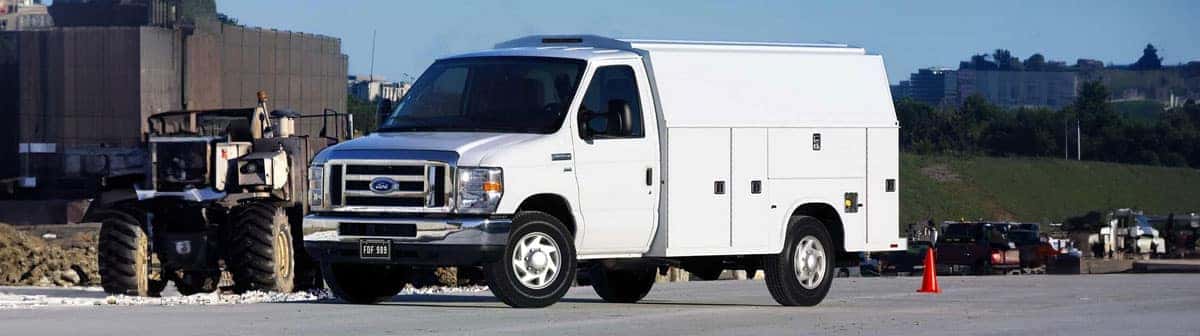
Essential Commercial Fleet Solutions for Local Framers at Performance Ford Truck Country
The framing stage serves as the absolute backbone of any residential or commercial construction project. Because framing crews are responsible for erecting the structural skeleton of a building, their timeline dictates the schedule for every subsequent trade on the job site. Meeting these rigid deadlines requires more than just skilled labor and precise blueprints; it demands a highly dependable, rugged, and intelligently upfitted commercial vehicle fleet. A framing contractor’s truck is not merely a means of transportation; it functions as a mobile workshop, a heavy-duty material hauler, and a mobile command center capable of navigating rough, unpaved terrain.
At Performance Ford Truck Country, we specialize in providing tailored commercial fleet solutions built to withstand the punishing demands of the framing industry. From transporting heavy bundles of dimensional lumber to securing high-value pneumatic tools, selecting the right fleet vehicle optimizes daily productivity and directly impacts your bottom line. This comprehensive commercial guide analyzes the premier chassis configurations, powertrain choices, and specialized upfit solutions designed specifically to keep local framing crews operating at peak efficiency.
Heavy-Duty Powertrains Engineered for Structural Payloads
Before evaluating bed lengths or interior cabin comforts, a framing contractor must select a powertrain capable of moving immense structural weight. A bed loaded with stacks of engineered wood beams, heavy-duty fastening plates, and multiple framing nailers creates an aggressive demand on a truck’s engine, transmission, and cooling systems.
High-Output Gasoline Engineering
For framing operations that primarily handle local projects or short-range commutes between lumber yards and job sites, modern heavy-duty gasoline engines provide exceptional value. The standard displacement powertrains utilize a pushrod V8 design optimized to deliver maximum low-end torque. This torque curve is crucial for initiating movement when a truck is fully loaded to its gross vehicle weight rating (GVWR). Gasoline engines offer a lower initial purchase price compared to diesel alternatives, which allows fleet managers to allocate more budget toward specialized storage upfits or expanding total vehicle count. Furthermore, modern multi-speed automatic transmissions ensure that these powerplants operate within their optimal efficiency zones during heavy hauling.
Severe-Duty Turbo Diesel Power
When a framing business expands to handle large-scale commercial developments or projects requiring long-distance highway travel with heavy material trailers, turbo diesel powertrains become an absolute necessity. Diesel engines are characterized by their staggering torque output, which frequently doubles the pulling power of comparable gasoline engines at low revolutions per minute (RPM). This immense force allows a fleet truck to effortlessly tow massive flatbed trailers loaded with pre-fabricated roof trusses or complete framing packages. Additionally, diesel engines feature integrated engine exhaust braking systems. This technology uses engine backpressure to assist in deceleration, significantly reducing wear on the mechanical braking system when descending steep grades with a fully loaded trailer.
The Super Duty Lineup: The Foundation of Framing Operations
The daily reality of a framing site involves jagged terrain, muddy paths, and uneven surfaces littered with debris. To navigate these conditions while transporting thousands of pounds of lumber, a framing crew requires the structural integrity of a dedicated heavy-duty truck platform.
Standard Trim Configurations Built for the Job Site
- XL Commercial Trim: Built specifically as a pure, durable tool for hard-working crews, the XL trim serves as the primary workhorse for many framing fleets. It features heavy-duty vinyl seating surfaces that resist tearing and can be easily washed down at the end of a dusty workday. The flooring replaces standard carpeting with a rugged, black vinyl covering that withstands mud, gravel, and dropped tools. Outside, the XL utilizes durable black bumpers and a matte finish grille that minimizes the visual impact of minor scratches or scuffs common to active construction sites. Despite its utilitarian focus, it includes standard driver-assist safety technologies and full digital connectivity to streamline communication with the main office.
- XLT Fleet Upgrade: For owner-operators or crew leads who require an elevated level of comfort during long driving stints between multiple job sites, the XLT trim provides an excellent middle ground. This series transitions to comfortable cloth upholstery and adds a comprehensive carpeted interior layout. The exterior is enhanced with bright chrome bumpers and aluminum wheels, projecting a highly polished, professional company image when meeting with general contractors or architects. The tech layout receives an upgraded center display with voice-activated navigation capabilities, allowing drivers to seamlessly routing to newly established subdivisions.
Cab Configurations Tailored to Crew Size
Selecting the correct cabin layout is essential for balancing passenger capacity with available cargo space.
- Regular Cab: This traditional two-door configuration maximizes the available frame length for cargo beds or specialized service bodies, making it ideal for dedicated material delivery vehicles or single-operator trucks.
- SuperCab: Featuring rear hinge-doors, this layout offers a practical storage area behind the front seats for high-value tools, or temporary seating for two additional crew members.
- Crew Cab: For framing businesses that transport full structural crews to a single location, the four-door Crew Cab provides immense legroom and comfortable seating for up to six adults, turning the truck into a true mobile crew transport.
Frequently Asked Question
Which Ford commercial trucks are best suited for framing contractors?
The framing stage serves as the absolute backbone of any residential or commercial construction project. Because framing crews are responsible for erecting the structural skeleton of a building, their timeline dictates the schedule for every subsequent trade on the job site.
Specialized Upfits and Bed Solutions for Framers
A standard factory pickup bed is highly versatile, but framing contractors often require specialized bed upfits to achieve maximum organization and structural transport efficiency. Upfitting a cab-chassis model allows a business to customize the rear footprint to match their exact daily workflows.
Heavy-Duty Flatbed and Stake Bed Solutions
A heavy-duty flatbed upfit represents one of the most popular configurations for active framing businesses. Traditional truck beds can make loading and unloading oversized bundles of 2x4s, 2x6s, or large sheets of plywood exceptionally difficult. A wide, open flatbed layout allows forklifts at the lumber yard to drop entire banded palleted stacks of material directly onto the deck from either side of the vehicle. Integrated stake pockets and heavy-duty tie-down tracks enable drivers to secure uneven loads with heavy-duty ratchet straps rapidly. Many contractors opt for steel or aluminum stake sides, which prevent loose materials, blocking blocks, or layout stakes from sliding off the bed during transit.
Premium Service and Utility Bodies
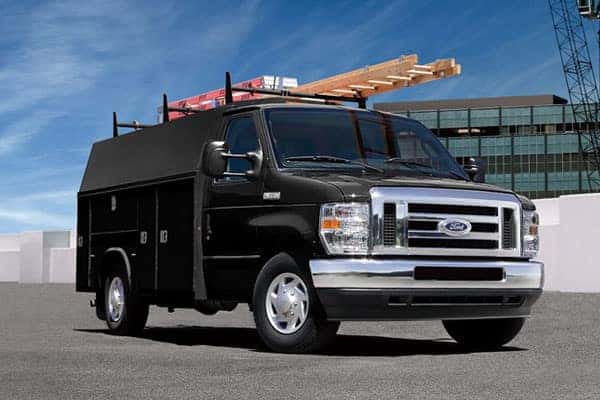
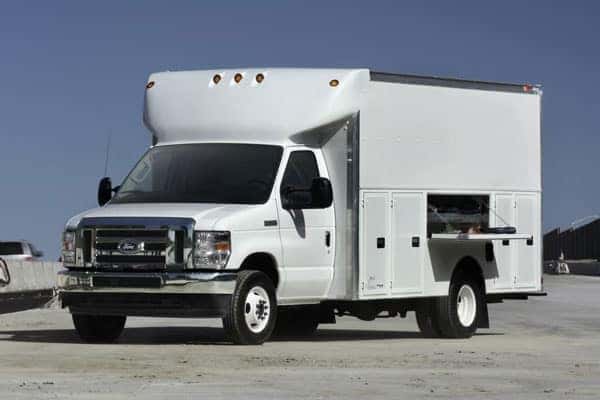
For framing crews who double as general carpentry specialists, a full service or utility body upfit provides unparalleled security and organization. These bodies replace traditional bed sides with deep, lockable exterior compartments. This design allows crews to store high-value pneumatic framing nailers, heavy-duty circular saws, compressors, and extension cords in a dry, weatherproof, and secure environment. Keeping these tools outside of the main cabin frees up passenger space while keeping equipment organized by function. High-quality service bodies utilize single-handle slam-latch doors and robust locking mechanisms to deter tool theft on unsecured job sites overnight.
Critical Commercial Technology and Towing Features
Modern framing requires managing advanced logistics, tight delivery schedules, and massive trailer weights. Integrating advanced fleet management technology and towing aids into your commercial vehicles directly minimizes downtime and enhances workplace safety.
Advanced Fleet Telematics and Tracking
Managing a fleet of multiple framing trucks requires absolute visibility into vehicle location, fuel consumption, and mechanical health. Advanced commercial telematics systems allow business owners to track their assets in real-time, ensuring that delivery trucks are utilizing the most efficient routes to the lumber supplier. These systems monitor engine diagnostic codes automatically, alerting fleet managers to upcoming maintenance needs before a minor issue transforms into a costly breakdown on the way to a critical job site. Additionally, driver behavior monitoring helps promote safe driving habits, protecting your company’s reputation and lowering overall insurance liabilities.
Heavy-Duty Towing Innovations
Framing contractors frequently tow mobile tool trailers, portable generators, or flatbeds loaded with heavy scaffolding equipment. To make these operations safe and straightforward, modern commercial trucks offer integrated trailer brake controllers that seamlessly synchronize the truck’s brakes with the trailer’s stopping system. Pro Trailer Backup Assist technology allows drivers to guide a trailer into tight, cluttered construction zones easily using a simple control knob on the dashboard. Furthermore, high-definition camera suites provide a complete 360-degree view around the vehicle, allowing a single operator to hitch a heavy trailer perfectly on the first attempt without needing a spotter.
Optimizing the Framing Fleet Budget
Expanding or refreshing a commercial fleet represents a major capital investment for a construction business. Maximizing the return on this investment requires utilizing specialized commercial financial programs and tax incentives designed specifically for business owners.
Fleet Management and Commercial Financing
Commercial vehicle financing differs significantly from traditional consumer auto loans. Business lines of credit and specialized commercial retail contracts allow framing companies to preserve their operational cash flow while securing the exact vehicles they need to complete upcoming contracts. TRAC (Terminal Rental Adjustment Clause) leases provide exceptional flexibility, allowing fleet managers to customize the structure based on annual mileage, vehicle upfits, and projected residual value. This ensures that monthly operating expenses remain completely predictable throughout the fiscal year.
Section 179 Tax Deductions for Heavy Trucks
One of the most powerful financial advantages available to framing contractors is the Section 179 tax deduction. Under this IRS tax code, qualifying businesses can deduct the full purchase price of eligible commercial vehicles directly from their gross income during the tax year the vehicle is put into service. Because heavy-duty trucks like the Super Duty series carry a GVWR greater than 6,000 pounds, they typically qualify for accelerated depreciation schedules. This significant tax relief allows construction firms to reinvest their savings directly back into advanced equipment, payroll, or further fleet expansion, drastically reducing the net cost of acquiring new commercial assets.
Why Partner with Performance Ford Truck Country?
Securing the ideal commercial vehicle requires a partnership with a dealership that understands the unique, fast-paced demands of the construction industry. At Performance Ford Truck Country, we dedicate ourselves to keeping your framing crews moving forward without unnecessary administrative or mechanical delays.
A Dedicated Commercial and Fleet Team
Our commercial vehicle specialists do not just sell trucks; they analyze your specific business operations to recommend the exact chassis, powertrain, and upfit configuration required for your daily workflows. We collaborate directly with premier commercial upfitters to ensure that your flatbeds, service bodies, and tool racks are engineered to professional standards and delivered ready to work. We understand that in the framing world, a truck sitting on a lot or delayed in production represents lost revenue on an active job site.
Priority Commercial Service Commitments
We recognize that vehicle downtime is a critical vulnerability for any construction firm. Our advanced commercial service center features heavy-duty lifts, specialized diagnostic equipment, and factory-trained technicians capable of servicing large fleet vehicles rapidly. We offer priority scheduling and expedited turnaround times for commercial clients, ensuring that your work trucks spend their time where they belong—on the job site generating profit for your business.
Strategic Inspection Tips for Pre-Owned Fleet Buyers
For framing businesses looking to maximize their initial purchasing power, the pre-owned commercial market offers an exceptionally cost-effective path to fleet expansion. However, buying a used commercial vehicle requires a highly focused evaluation process to ensure long-term reliability under severe working conditions.
Carefully Evaluate Frame and Suspension Integrity
Given that framing trucks regularly carry immense structural loads over uneven, unpaved job sites, inspecting the structural foundation of a pre-owned truck is paramount. Examine the main frame rails closely for any signs of distortion, stress cracks, or excessive corrosion. Inspect the heavy-duty leaf springs, shackles, and shock absorbers for signs of sagging or premature wear. A suspension system that has been chronically overloaded will often display flattened leaf springs or leaking dampeners, which must be addressed to ensure safe hauling capabilities moving forward.
Verify Upfit Operational Functionality
If you are purchasing a pre-owned truck that already features a flatbed, stake bed, or service body, you must verify the operational condition of the upfit itself. Test every single latch, lock, and hinge on a service body to ensure they actuate smoothly and secure completely. Check the weather stripping on tool compartments to confirm that rainwater cannot penetrate and damage your valuable pneumatic equipment. For flatbeds, examine the structural crossmembers beneath the deck to ensure they remain straight, secure, and completely free of severe structural rust.
Final Structural Thoughts
Building a highly efficient commercial fleet is identical to framing a premium building—it requires the proper materials, an intelligent design, and an absolute refusal to compromise on the structural foundation. By equipping your framing business with heavy-duty powertrains, versatile cabin configurations, and specialized material-hauling upfits, you create an operational framework capable of dominating any construction timeline.
Take the time to assess your typical crew sizes, analyze your maximum material payload requirements, and choose the precise fleet components that will streamline your daily operations. Your next competitive edge in the construction industry is waiting to be built upon a rugged, dependable commercial truck platform.
Visit Performance Ford Truck Country Today
Contact Performance Ford Truck Country today to schedule a test drive or explore our Ford Commercial Fleet Solutions for Framers inventory!
Explore our entire inventory at our website: https://www.performancefordtruckcountry.com/new-vehicles/
0 comment(s) so far on Essential Commercial Fleet Solutions for Local Framers at Performance Ford Truck Country