


 Service Now – Pay Later
Essential Commercial Fleet Solutions for Firefighters and Emergency Response Teams at Performance Ford Truck Country
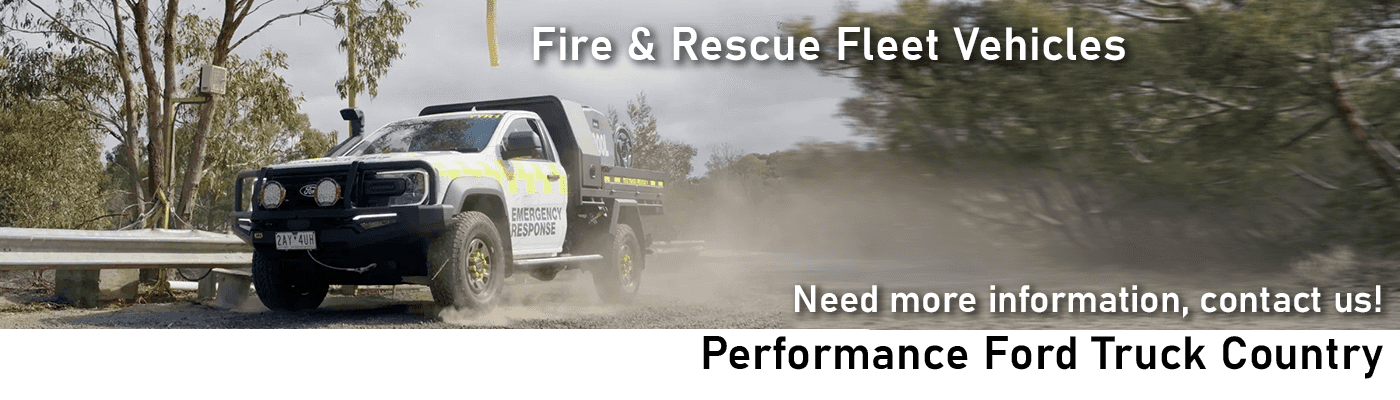
Essential Commercial Fleet Solutions for Firefighters and Emergency Response Teams at Performance Ford Truck Country
When emergency calls come into a fire station, every second counts. While traditional heavy pumper engines and aerial ladder trucks form the structural core of municipal fire suppression, modern fire departments rely heavily on a fleet of versatile light- and medium-duty support vehicles. Command staff units, swift-water rescue rigs, wildland brush trucks, and Advanced Life Support (ALS) emergency medical vehicles perform critical frontline duties every day. These support vehicles must endure rapid acceleration, heavy tool loads, extreme thermal environments, and treacherous off-road terrain without delay or failure.
At Performance Ford Truck Country, we specialize in providing rugged, factory-engineered commercial fleet vehicles tailored specifically for fire departments and emergency medical services (EMS). Selecting the correct chassis, powertrain, and specialized upfit configuration ensures firefighter safety, enhances incident command operations, and maximizes public safety budgets. This comprehensive guide examines the premier chassis configurations, severe-duty powertrains, specialized body upfits, and essential technological integrations needed to build a dependable emergency response fleet.
Heavy-Duty Powertrains Engineered for Rapid Emergency Response
Emergency response vehicles operate under extreme physical stresses. Emergency crews launch cold engines into immediate high-output driving, carry heavy equipment loads, and idle for hours at incident scenes to power emergency lights, scene illumination, and specialized auxiliary tools.
Severe-Duty Turbo Diesel Engineering
For heavy brush trucks, rescue units, and initial-attack vehicles, high-displacement turbo diesel powertrains provide essential power and reliability. Modern diesel engines utilize high-pressure fuel injection systems and forged components to deliver massive low-end torque. This low-RPM torque is critical for propelling fully loaded trucks equipped with heavy water tanks, hydraulic rescue tools, and specialized entry equipment up steep mountain passes or through deep mud during wildland operations. Furthermore, integrated engine exhaust brakes help slow heavy response vehicles, minimizing brake wear and fade during downhill emergency runs.
High-Output Gasoline Powertrain Performance
When fire departments require swift acceleration for battalion command vehicles or light rescue units, modern high-displacement gasoline V8 engines offer an exceptional alternative. Utilizing robust engine blocks, high-capacity cooling systems, and advanced transmission calibration, these engines deliver immediate throttle response. Gasoline engines carry a lower initial purchase price, allowing departments to stretch municipal capital budgets across more fleet assets or allocate funds toward specialized extrication gear and communications technology.
The Chassis Lineup: Severe-Duty Platforms for Fire and Rescue
Fire support vehicles must handle high gross vehicle weight ratings (GVWR) while navigating tight suburban streets, crowded highway crash scenes, and unpaved rural trails.
Super Duty Chassis Cabs: The Core of Light Rescue and Brush Response
- F-350 and F-450 Chassis Cabs: These platforms serve as the primary foundation for fast-response brush trucks and light extrication units. Built with high-strength steel frames, heavy-duty axles, and high-capacity alternator options, these trucks easily support the weight of 300-gallon skid units, water pumps, and hose reels without compromising off-road mobility.
- F-550 and F-600 Heavy Chassis Cabs: Designed for heavy-duty rescue operations and small initial-attack pumpers, these platforms bridge the gap between traditional pickup trucks and massive medium-duty rigs. They feature massive frame strength and higher GVWR thresholds, allowing fire departments to mount heavy aluminum utility bodies, hydraulic generator systems, and specialized extrication equipment reels.
Cabin Layouts Tailored for Response Crews
Selecting the proper cabin configuration ensures that firefighting crews can don gear comfortably while traveling safely to incident scenes.
- Regular Cab: This streamlined two-door layout maximizes cab-to-axle length, making it the ideal choice for dedicated brush trucks carrying large water tanks or heavy-duty dump/utility bodies.
- SuperCab: Providing additional rear interior space, this layout offers a dry, secure area for storing turnout gear bags, thermal imaging cameras, and sensitive self-contained breathing apparatus (SCBA) bottles out of the elements.
- Crew Cab: The standard choice for initial-attack units and command teams, the four-door Crew Cab comfortably seats up to six fully geared responders, enabling an entire crew to deploy immediately upon arriving at the scene.
|
Wildland Brush & Initial Attack |
Heavy Rescue & Command |
|
• F-350 / F-450 Super Duty Chassis • High-clearance 4×4 drivetrain • 300+ gallon water tank & pump • Front winch & brush guard |
• F-550 / F-600 Heavy Chassis • Custom aluminum utility body • Onboard generator & scene lights • Integrated comms & command desk |
Frequently Asked Question
Which Ford commercial trucks are best suited for fire and rescue fleets?
When emergency calls come into a fire station, every second counts. While traditional heavy pumper engines and aerial ladder trucks form the structural core of municipal fire suppression, modern fire departments rely heavily on a fleet of versatile light- and medium-duty support vehicles.
Specialized Upfits Engineered for Emergency Fire Operations
A bare commercial chassis cab provides a strong foundation, but specialized emergency upfitting transforms it into an active firefighting or rescue asset. Working with certified upfitters guarantees that equipment mounts meet stringent emergency safety standards.
Type 6 Wildland Brush Truck Upfits
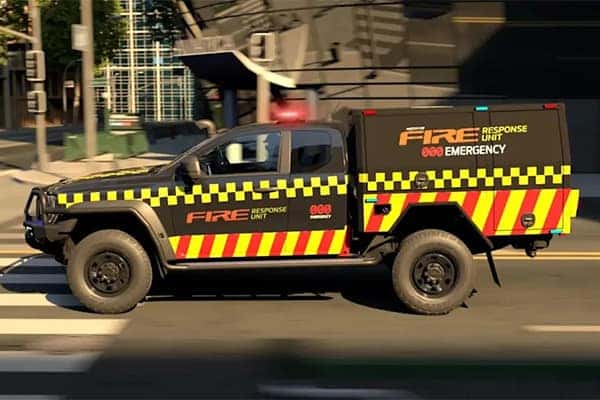
Wildland firefighting demands highly agile vehicles capable of venturing deep off-road to combat grass fires and forest blazes. Type 6 brush trucks feature custom flatbeds or aluminum service bodies equipped with lightweight poly water tanks (typically 250 to 400 gallons), independent auxiliary diesel or gas water pumps, and live hose reels. Heavy-duty front push bars with integrated winches allow these trucks to clear fallen trees and navigate dense brush, while underbody skid plates protect critical drivetrain components from rocks and debris.
Heavy Utility and Extrication Rescue Bodies
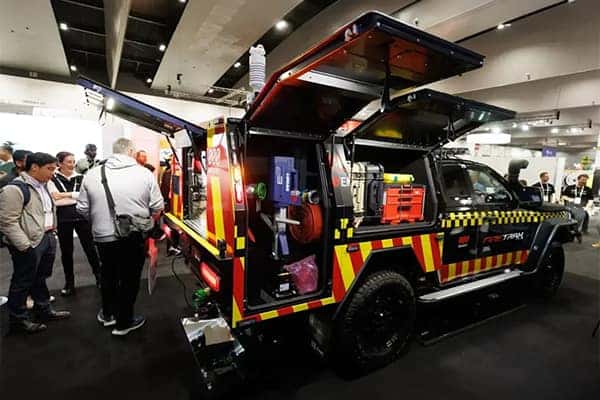
For motor vehicle accidents and technical rescue calls, departments deploy dedicated rescue trucks equipped with custom aluminum or stainless steel utility bodies. These upfits feature deep, lockable side compartments with roll-up aluminum doors, slide-out tool trays, and adjustable shelving systems. Responders use these organized compartments to secure heavy hydraulic “Jaws of Life” tools, pneumatic airbags, cribbing blocks, and stabilization struts. High-mounted LED scene light towers swivel 360 degrees to illuminate nighttime accident scenes safely.
Incident Command and Emergency Electronics Infrastructure
Modern incident commanders must coordinate dozens of tactical units, manage radio frequencies, and track firefighter accountability metrics directly from the scene of an emergency.
Mobile Command Center Configurations
SUV platforms like the Expedition Special Service Vehicle (SSV) serve as elite mobile command posts for battalion chiefs. Custom rear cargo organizers feature slide-out command desks equipped with whiteboards, radio control panels, satellite communications gear, and laptop charging stations. This setup allows incident commanders to manage major fires or multi-agency search-and-rescue operations from a quiet, climate-controlled workspace.
High-Output Electrical Systems and Scene Lighting
Emergency vehicles demand immense electrical power to operate high-intensity LED light bars, perimeter warning lights, sirens, high-powered radios, and night-vision camera gear. Factory emergency prep packages resolve this demand by incorporating dual high-output alternators capable of generating over 300 amps of electrical current. Dual battery setups with automatic isolators ensure that auxiliary electronics do not drain the primary starting battery during extended stationary operations.
Strategic Municipal Financial Planning and Lifecycle Management
Maintaining an up-to-date emergency fleet requires careful budget management to optimize equipment reliability while protecting public tax dollars.
Municipal Tax-Exempt Leasing Programs
Municipal leasing structures provide fire districts and city departments with flexible purchasing options tailored around government fiscal cycles. Tax-exempt municipal leases allow departments to acquire new fire support vehicles immediately while spreading equipment costs across multi-year budget cycles at competitive interest rates. This financial flexibility helps departments replace aging, high-maintenance vehicles before mechanical failures disrupt emergency response capabilities.
Maximizing Total Cost of Ownership (TCO)
Evaluating emergency fleet costs involves looking beyond initial vehicle acquisition prices. Fire chiefs and city managers must evaluate fuel consumption, routine maintenance requirements, component durability, and future equipment reusability. Deploying modern, fuel-efficient support trucks for routine medical calls reduces unnecessary wear and tear on expensive million-dollar pumper trucks, significantly extending the service life of the department’s heavy apparatus.
Why Partner with Performance Ford Truck Country for Fire Fleets?
Outfitting a fire department requires a dedicated dealership partner who understands municipal bidding protocols, emergency apparatus standards, and the critical urgency of public safety service. At Performance Ford Truck Country, we are committed to supporting local fire departments and emergency medical services with specialized vehicle sourcing and ongoing support.
Dedicated Commercial and Emergency Fleet Specialists
Our commercial fleet team works directly with fire chiefs, municipal purchasing agents, and premier emergency vehicle upfitters. We analyze your department’s specific terrain, response volume, and equipment payloads to recommend the exact chassis, axle ratios, and electrical packages needed for your mission. From initial design to final delivery, we streamline the procurement process.
Priority Service and Rapid Turnaround
When an emergency vehicle goes out of service, public safety coverage in the community drops. Our commercial service center is equipped with heavy-duty lifts, specialized diagnostic tools, and certified technicians experienced in working on severe-duty fleet vehicles. We provide priority service scheduling and fast diagnostic turnarounds for emergency accounts, ensuring your response vehicles stay on the road where they belong.
Pre-Owned Fire Fleet Inspection and Procurement Considerations
For volunteer fire departments, rural districts, or departments expanding support fleets on limited budgets, pre-owned commercial platforms offer an affordable solution. However, purchasing used emergency vehicles requires careful inspection to ensure operational readiness.
Inspecting Engine Idle Hours and PTO Systems
Standard vehicle mileage does not tell the whole story on emergency support vehicles. Engine hour meters provide a much clearer picture of actual powertrain wear. Fire support trucks often idle for hours at emergency scenes to power emergency lights and hydraulic pumps via Power Take-Off (PTO) systems. Inspect hydraulic pumps, fluid lines, and electrical connections for signs of heat stress, fluid leaks, or wear.
Examining Frame Rails and Suspension Under Load
Fire trucks carry heavy, constant loads, such as water tanks and rescue tools, which put continuous stress on frame rails and suspension components. Inspect the high-strength steel frame rails behind the cab for stress cracks, sagging, or severe rust around spring hangers. Check leaf springs, heavy-duty shocks, and sway bars to ensure they maintain proper ride height and structural integrity under full load conditions.
Final Emergency Fleet Insights
Building a reliable emergency response fleet is like preparing for a fire call—it demands proper equipment, thorough planning, and an unwavering commitment to safety. By outfitting your department with high-torque powertrains, versatile cabin layouts, and specialized emergency upfits, you give your firefighters the tools they need to respond quickly and operate safely.
Take time to evaluate your department’s current support fleet, review equipment payload requirements, and consult with our commercial fleet specialists to build an emergency fleet engineered for performance, safety, and long-term value.
Visit Performance Ford Truck Country Today
Contact Performance Ford Truck Country today to schedule a test drive or explore our Fire & Rescue Fleet inventory!
Explore our entire inventory at our website: https://www.performancefordtruckcountry.com/new-vehicles/
0 comment(s) so far on Essential Commercial Fleet Solutions for Firefighters and Emergency Response Teams at Performance Ford Truck Country